Wires, Wi-Fi, and Window Service: The Tech Powering Texas Food Trucks Behind the Scenes
Stand in line at any Texas food truck festival long enough, and you'll start to notice something. Orders move fast. Payments go through without a hitch. The truck that was packed at noon somehow restocked by 2 p.m. And that perfectly lit photo of your elote showing up on Instagram before you've even finished eating? That wasn't an accident.
Behind the handcrafted menus and the sizzle of the flat-top, modern Texas food truck operators are running what amounts to a miniature tech startup—one with wheels, a generator, and a very short window to make an impression.
The Point-of-Sale Revolution on Four Wheels
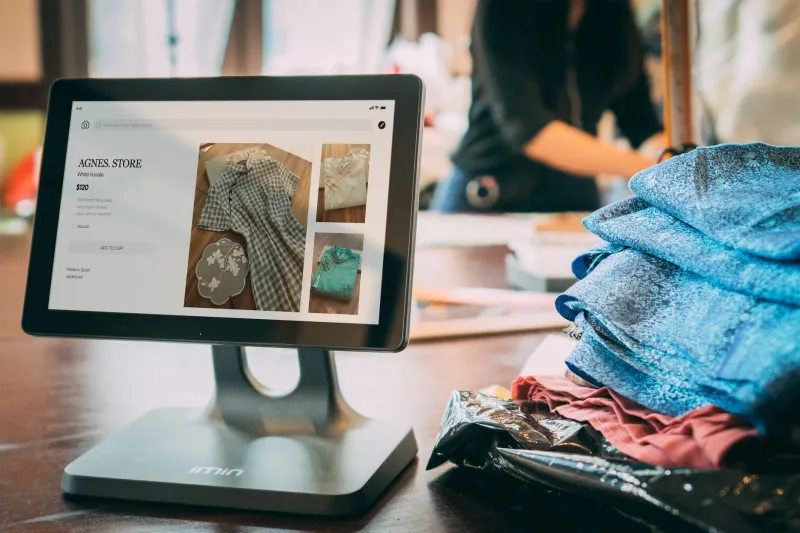
Not long ago, food trucks ran on cash, clipboards, and a whole lot of prayer. Today, the point-of-sale (POS) system sitting on that fold-out counter is doing more work than most people realize.
Platforms like Square, Toast Go, and Clover have become fixtures in Texas food truck operations. But it's not just about taking card payments anymore. These systems track which menu items are moving fastest, flag when a popular dish is running low, and even generate end-of-day revenue reports that used to require an accountant.
For operators working back-to-back festivals across the state, that data is gold. Knowing that your brisket grilled cheese outsells your pulled pork sandwich three-to-one at outdoor events—versus the reverse at corporate lunches—lets you prep smarter and waste less. That's money saved and food not thrown away.
Some operators have gone a step further, integrating online pre-ordering through platforms like Flipdish or their own branded apps. Festivalgoers can place an order before they even park, skip the main rush, and walk up to a window that's already got their name on it. It's the kind of convenience that keeps people coming back.
Cold, Calculated, and Compliant: Food Safety Meets Software
In Texas, food truck operators are required to meet strict health department standards—and keeping up with those requirements on a moving vehicle is no small feat. That's where compliance technology has quietly become one of the most important tools in the game.
Wireless temperature sensors now monitor refrigeration units in real time, sending alerts straight to an operator's phone if temps drift into the danger zone. Companies like Samsara and SmartSense offer solutions originally designed for restaurant chains that food truck owners are now adapting to their own setups. If the walk-in cooler equivalent on a truck starts creeping above 41°F at 2 a.m. the night before a big festival, the operator knows before a single ingredient is compromised.
Digital food safety logs—replacing the paper checklists that used to pile up in glove compartments—allow operators to document cleaning schedules, temperature checks, and handwashing compliance in apps that can be pulled up instantly during a health inspection. It's less paperwork, fewer headaches, and a much cleaner paper trail.
For festival organizers, this kind of documentation matters too. Events like Texas Food Truck InFest require vendors to meet specific health and safety standards, and operators who show up with digital records already organized are making everyone's life easier—including their own.
GPS, Fleet Tracking, and the Logistics of Showing Up
For operators running more than one truck, logistics can get complicated fast. Which truck is closest to the next gig? Is the generator fuel topped off? Did the second truck make it to the staging area on time?
GPS fleet tracking tools—platforms like Verizon Connect, Motive, or even basic Google Fleet integrations—give multi-truck operators a live view of where every vehicle is and how it's performing. Mileage tracking feeds directly into expense reports. Route optimization cuts fuel costs on long hauls between cities. And real-time location sharing means festival coordinators always know when a vendor is inbound.
Even single-truck operators use location tech to their advantage. Sharing live GPS pins on social media has become a way to build hype before arrival—especially at large-scale festivals where navigating vendor rows can feel like finding your campsite at a music festival.
Inventory Management: Knowing What You Have Before You Need It
Running out of key ingredients mid-festival is every operator's nightmare. Inventory management software is increasingly the thing standing between a smooth service and a very awkward "sorry, we're out" sign going up at noon.
Apps like MarketMan and BlueCart let operators set automatic reorder thresholds, track ingredient usage by menu item, and manage supplier relationships from a single dashboard. Some POS systems now integrate inventory tracking directly, so every item sold automatically draws down from a running stock count.
At a three-day festival like Texas Food Truck InFest, that kind of visibility is the difference between running a tight, profitable operation and scrambling for a last-minute supplier run on day two.
Instagram Gold Isn't an Accident
Here's the part that might surprise you: a lot of the drool-worthy food content you see from Texas food trucks on Instagram is the product of a deliberate content system, not a spontaneous moment of inspiration.
Social media scheduling tools like Later, Buffer, and Hootsuite let operators batch-create and pre-schedule posts days in advance. That means a truck owner who spent Sunday prepping for a week of festivals can also queue up a week's worth of Instagram content—timed to drop right when foot traffic is highest or when a specific festival kicks off.
Some operators have gone even further, using Canva for branded graphics, Lightroom presets to keep their food photography visually consistent, and link-in-bio tools like Linktree to funnel followers toward menus, pre-order pages, and festival schedules all at once.
The result is a social presence that feels spontaneous and personal but runs with the discipline of a media operation. For trucks competing for attention in a crowded festival environment, that consistency builds the kind of following that translates directly to lines out the window.
The Bigger Picture
What all of this adds up to is a fundamental shift in what it means to run a food truck in Texas. The barrier to entry might still be lower than opening a brick-and-mortar restaurant, but the operators winning at festivals aren't just great cooks. They're logistics managers, data analysts, compliance officers, and content creators—often all at once.
The technology doesn't replace the craft. The smoked brisket still has to be worth the wait. But the tools that keep a truck stocked, compliant, connected, and visible? Those are what let the craft actually show up and shine.
Next time you're rolling through the vendor rows at Texas Food Truck InFest, take a second look at that little tablet mounted near the window. There's more going on there than meets the eye.