Follow the Money: What Really Happens to Every Dollar Spent at a Food Truck Festival
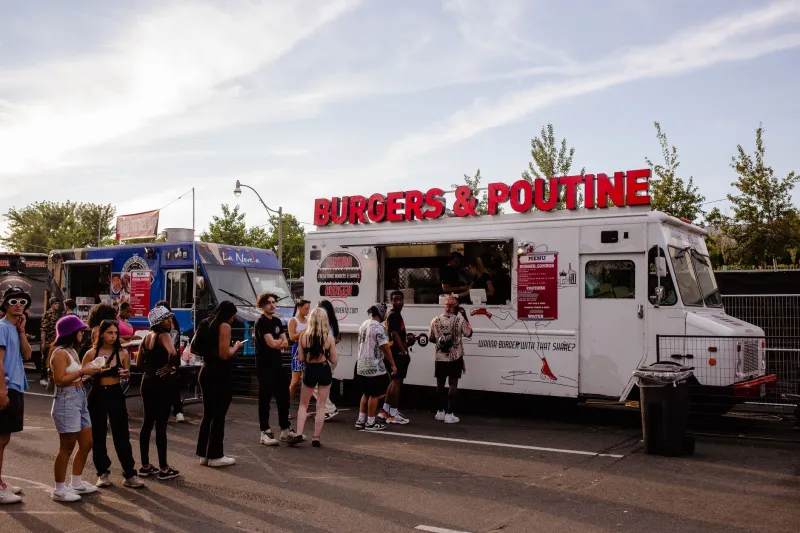
You hand over your ticket, grab a wristband, and make a beeline for the brisket tacos. Simple enough, right? But the financial machinery humming underneath a food truck festival is anything but simple. Organizers, vendors, sponsors, and ticketing platforms are all pulling from the same pool of revenue — and figuring out who gets what, and when, is a story worth telling.
With festivals like Texas Food Truck InFest drawing thousands of hungry attendees each season, the economics behind these events have grown more sophisticated than most people realize. Let's break it down.
The Ticket Price Isn't What You Think It Is
When you pay $15 or $25 for a general admission ticket, that number feels pretty reasonable for a full day of food, live music, and good vibes. But that dollar amount gets sliced up before it ever reaches the event itself.
Ticketing platforms — think the major players that handle online sales — typically take anywhere from 5% to 15% off the top, depending on the service tier and contract terms. Add in credit card processing fees (usually around 2.9% plus a small flat fee per transaction), and an organizer might be netting somewhere between $12 and $21 on a $25 ticket before a single generator is rented or a single porta-potty is delivered.
For large-scale festivals, those margins compound into real money. A 5,000-person event with a $20 average ticket price might gross $100,000 on admissions alone — but after platform fees, payment processing, and early-bird discounts, the organizer's actual take could land closer to $85,000. That's still a significant number, but it's the starting line, not the finish line.
Vendor Booth Fees: The Real Foundation
Here's something most festival-goers don't know: for many organizers, ticket sales aren't actually the primary revenue source. Vendor booth fees often are.
Food truck operators typically pay a flat fee to participate in a festival, and those fees vary wildly based on event size, location, and prestige. A smaller regional gathering might charge $200 to $400 per truck. A high-profile urban festival in a major Texas market? Booth fees can climb to $800, $1,200, or even higher for premium positioning near the main stage or entrance.
Some festivals also operate on a percentage-of-sales model, where trucks pay a smaller upfront fee but owe the organizer 10% to 20% of their gross revenue at the end of the day. This structure aligns incentives — the organizer wants the trucks to do well — but it also puts the accounting burden on vendors who are already juggling a full service rush.
For an event with 30 to 50 food trucks, booth fees alone can generate anywhere from $15,000 to $60,000, depending on the pricing model. That's before a single ticket is sold.
Where Sponsorship Money Fits In
Sponsorship deals are the third leg of the revenue stool, and they're becoming increasingly important as festivals compete for attention in a crowded events market.
Local and regional brands — breweries, beverage companies, grocery chains, financial services firms targeting small business owners — will pay for logo placement, branded activations, and social media mentions. A mid-size Texas food truck festival might bring in $20,000 to $75,000 in sponsorship revenue depending on how aggressively they sell packages and how well-established the event is.
National brands occasionally enter the picture too, especially if a festival has strong digital reach or aligns with a brand's target demographic. Those deals can be transformational for an event's budget, essentially subsidizing the entire production cost and allowing organizers to reinvest in the attendee experience.
What It Actually Costs to Put This Thing On
Now for the part that surprises people: food truck festivals are expensive to produce. Like, genuinely expensive.
Venue rental or permitting fees in a Texas city can run from a few thousand dollars to tens of thousands, depending on the location and the city's permitting structure. Add in:
- Production costs (staging, sound, lighting): $10,000–$40,000
- Security and staffing: $5,000–$20,000
- Sanitation and waste management: $3,000–$10,000
- Marketing and advertising: $5,000–$25,000
- Insurance: $2,000–$8,000
- Generators and power infrastructure: $2,000–$10,000
For a well-produced event, you're easily looking at $50,000 to $150,000 in operating costs before the first truck rolls in. That's why organizers need all three revenue streams — tickets, booth fees, and sponsorships — working together. A shortfall in any one area can flip a successful-looking event into a financial loss.
What Food Truck Operators Actually Take Home
This is the question that matters most to the vendors themselves, and the answer is more nuanced than a single number.
A food truck at a well-attended festival can gross $3,000 to $8,000 in a single day — sometimes more if the crowd is big and the menu is dialed in. After paying the booth fee, covering food costs (typically 28% to 35% of revenue for most operators), paying staff, and accounting for fuel and generator costs, a truck might net $1,200 to $3,500 on a strong festival day.
That's genuinely good money for a single-day event, which is exactly why festivals have become such a critical piece of the food truck business model in 2024. A slow week of regular street parking can be offset by one strong Saturday at a festival. For operators who are strategic about which events they book, the math works out significantly in their favor.
The trucks that struggle are often newer operators who underestimate their cost of goods, overprepare inventory, or book festivals with poor foot traffic. The festival circuit rewards experience and planning just as much as it rewards great food.
Why This Model Works for Everyone (When It Works)
The beauty of a well-run food truck festival is that the incentives, at least in theory, are aligned. Organizers need trucks that draw crowds. Trucks need crowds to justify the booth fee. Sponsors need crowds to justify their investment. And attendees want a curated, high-energy experience worth the ticket price.
When all those pieces click together — strong curation, smart marketing, good weather, and a venue that flows well — everyone at the table wins. The organizer covers costs and turns a profit. The trucks have one of their best revenue days of the year. Sponsors get meaningful exposure. And you, the person who just crushed three different taco styles and a smash burger, go home satisfied.
At Texas Food Truck InFest, that alignment is exactly what we're building toward every single event. Understanding the economics behind the festival isn't just interesting — it's what makes a better experience for everyone who shows up hungry and leaves full.
So next time you're scanning the vendor lineup or deciding whether that $20 ticket is worth it, know this: that money is working harder than you think.