Rolling Destinations: Why Food Truck Festivals Are the New American Road Trip
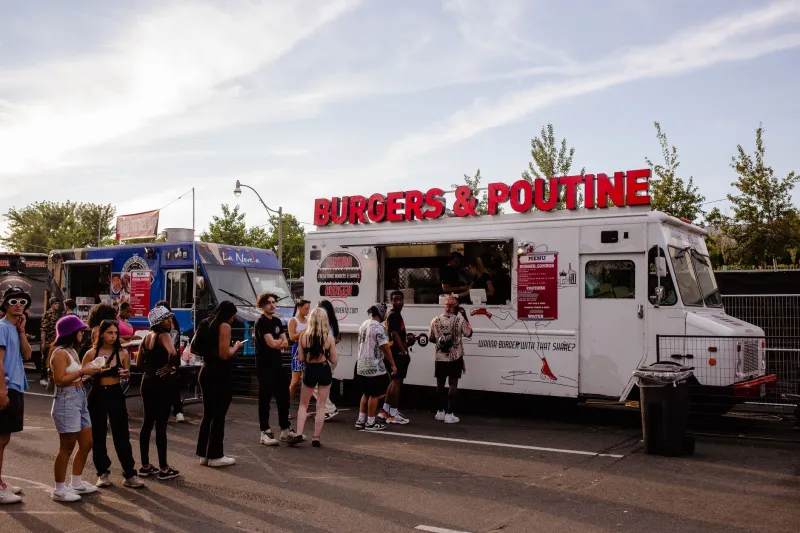
There's a moment that happens at Texas Food Truck InFest that regular attendees know well. You're standing in line, paper tray in hand, and you start talking to the couple next to you. Turns out they drove in from Nashville. The group behind them flew in from Phoenix. And the woman at the end of the row? She planned her entire two-week Texas vacation around this weekend.
That's not a fluke. It's a trend — and it's reshaping the way Americans think about travel.
The New Definition of a Destination
For decades, culinary tourism meant wine regions, farm-to-table dining corridors, or the kind of BBQ trail that required a printed map and a serious appetite. Those traditions aren't going anywhere. But something new has pulled up alongside them, parked, and fired up the flat-top.
Food truck festivals — especially the big Texas ones — are earning a spot on the itinerary in ways that would have seemed unlikely ten years ago. According to the U.S. Travel Association, food and culinary experiences now rank among the top motivators for domestic leisure travel. And increasingly, that means events, not just restaurants.
"People don't just want to eat somewhere great anymore," says one Austin-based tourism consultant who works with regional hospitality groups. "They want to experience food culture. A festival gives them that in one afternoon."
Texas Food Truck InFest delivers exactly that — dozens of operators, regional flavors, live music, and the kind of communal energy that a sit-down dinner simply can't replicate.
Out-of-State and All In
Ask any longtime festival-goer and they'll tell you the crowd has changed. The license plates in the parking lot tell the story — Oklahoma, Louisiana, Colorado, even the occasional out-of-region plate from the Pacific Northwest. These aren't people who happened to be passing through. They planned for this.
Take Marcus and Delia Okonkwo, a couple from Baton Rouge who made the drive to Texas for the first time two years ago after seeing festival coverage on a food travel Instagram account. "We blocked the whole weekend," Marcus says. "Hotel, festival tickets, a day trip to a nearby town we'd never been to. It turned into a full vacation built around the food truck scene."
They came back the following year. They're already planning their third trip.
That kind of loyalty — and that kind of trip planning — is exactly what regional tourism boards have started paying attention to.
Small Towns, Big Ripple Effects
Here's what doesn't always make the headlines: when a food truck festival draws thousands of visitors to a Texas town, the economic impact spreads well beyond the festival grounds.
Hotels fill up. Local diners and coffee shops see a surge. Gas stations, convenience stores, and nearby attractions all benefit. And for smaller Texas communities that might not have a major museum or landmark to anchor tourism, a well-run festival can be genuinely transformative.
"We started tracking hotel occupancy rates around the festival dates two years ago," says one economic development coordinator from a Central Texas county. "The numbers were significant enough that we started actively marketing the event in our regional tourism materials."
That's a shift in thinking. Tourism infrastructure — the hotels, the visitor centers, the local hospitality industry — is starting to treat food truck festivals the way it once treated sports events or music festivals. As anchors. As reasons to come.
Why Food Trucks, Specifically?
It's worth asking why food trucks, in particular, have become such a draw. After all, Texas has no shortage of legendary BBQ joints, acclaimed taco spots, and James Beard–recognized kitchens. What does a truck offer that a restaurant can't?
A lot, it turns out.
For one, the variety is unmatched. A single afternoon at Texas Food Truck InFest lets you graze through Korean-Mexican fusion, wood-smoked Central Texas brisket, Gulf Coast-inspired seafood, wood-fired pizza, and handcrafted ice cream — all without committing to a single menu. That kind of culinary range in one place is genuinely rare.
Then there's the accessibility. No reservations, no dress code, no awkward wait for the check. Food truck culture is inherently democratic — you show up, you order, you eat. For travelers who want to experience Texas food culture without navigating the politics of a reservation-only hot spot, festivals are the perfect entry point.
And honestly? There's the vibe. The energy of a well-run food truck festival is its own attraction. The music, the crowd, the smell of something incredible hitting the grill — it's an experience, not just a meal.
How Texas Food Truck InFest Fits In
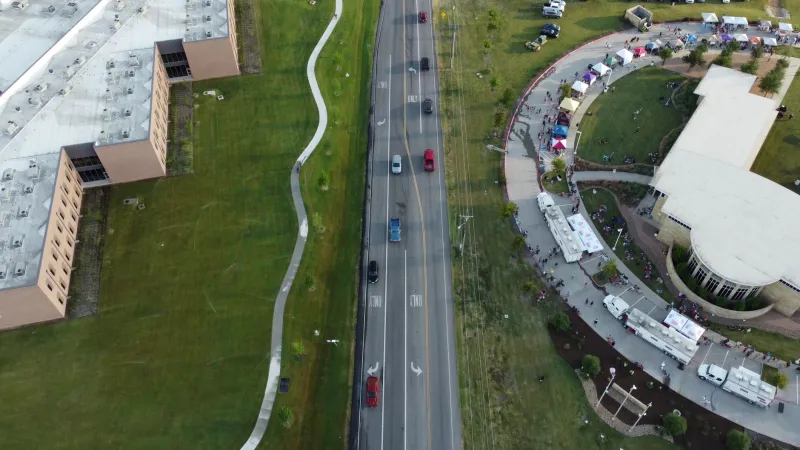
Texas Food Truck InFest has become one of the events that out-of-state travelers specifically seek out, and that's not by accident. The festival's combination of curated vendors, community atmosphere, and deep roots in Texas food culture gives it the kind of authenticity that travelers are increasingly chasing.
For operators, that out-of-state audience matters too. It's not just local regulars filling the lines — it's first-timers with fresh eyes and real curiosity, people who will go home talking about what they ate and where they found it. That word-of-mouth reach extends a truck's reputation far beyond any single city.
"I've had people come back to my truck at the next festival with friends they told about us," says one Texas Hill Country operator who has attended multiple InFest events. "Some of those friends drove four hours. That still blows my mind."
Planning Your Trip Around the Festival
If you're thinking about building a Texas trip around Texas Food Truck InFest, you're in good company — and good timing matters. Tickets and nearby accommodations move faster than you'd expect once the event lineup gets announced. Here's how seasoned festival travelers approach it:
- Book early. Hotels within a reasonable drive of the festival grounds fill up. Lock in your stay as soon as dates are confirmed.
- Build in a buffer day. Arrive the day before or stay a day after. Texas has plenty to explore, and rushing in and out means missing context.
- Check the vendor lineup in advance. Prioritize the trucks you most want to try so you're not overwhelmed once you're on the grounds.
- Connect with locals. Ask festival staff or fellow attendees for their picks — the best recommendations often come from people who've been before.
The Bigger Picture
What's happening with food truck festival tourism in Texas is part of a broader American story about how we choose to spend our leisure time and travel dollars. Experiences over things. Community over isolation. Food as culture, not just fuel.
Texas Food Truck InFest sits right at the intersection of all of that. It's a festival, yes. But it's also a destination — one that's earning its place on the American culinary travel map one satisfied visitor at a time.
Roll in. Eat up. And maybe start planning that road trip.