Hot, Fast, and Worth Every Bite: How Texas Food Truck Operators Engineer Speed Without Cutting Corners
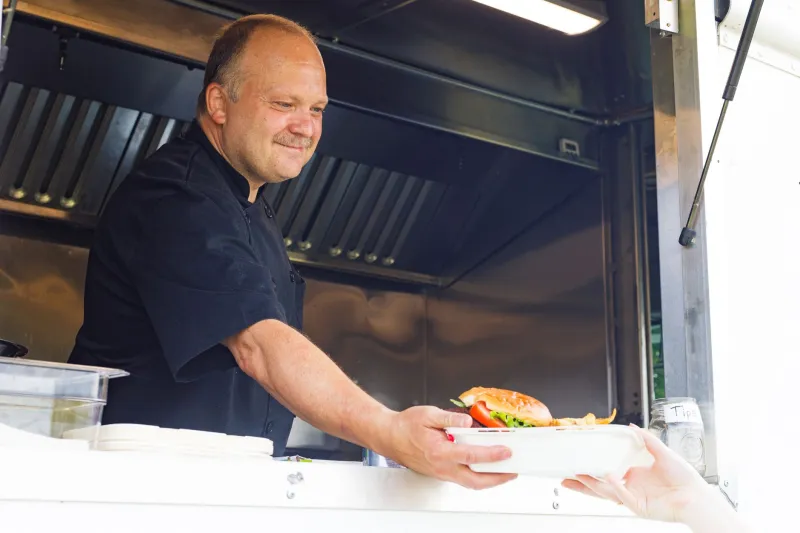
Stand at the front of any long line at Texas Food Truck InFest and you'll notice something interesting. The wait feels longer than it is. That's because once you hit the window, things move fast. A smiling face, a quick confirmation of your order, and within what feels like a blink, there's a tray or a wrapped bundle heading your way. It looks effortless. It is absolutely not.
Behind that window is a micro-kitchen operating with the precision of a pit crew and the creativity of a professional chef. The best Texas food truck operators have spent years — sometimes decades — figuring out how to serve food that genuinely tastes great in a window of time that would make most restaurant kitchens sweat. We dug into the how and the why with some of the state's veteran truck operators, and what they shared was equal parts science and street wisdom.
The Clock Starts Long Before the Festival Does
Ask any experienced food truck chef what their secret is, and they'll almost always say some version of the same thing: the work happens the night before.
"People think speed is about moving fast in the moment," says one San Antonio-based operator who's been slinging smoked brisket tacos for over a decade. "Speed is actually about removing decisions. Every decision you have to make during service costs you seconds, and seconds add up fast."
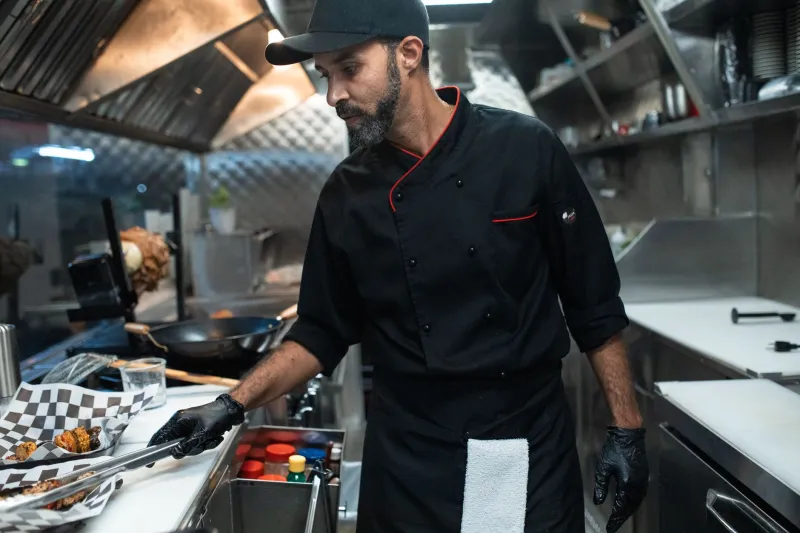
That philosophy drives what the industry calls mise en place — a French culinary term that roughly translates to "everything in its place." For food trucks operating at a high-volume festival like Texas Food Truck InFest, this means proteins are sliced or pulled the night before. Sauces are portioned into squeeze bottles. Toppings are prepped, measured, and organized in the exact order they'll be used. Some operators go so far as to map out their prep station like a diagram, ensuring that every hand movement during service follows the shortest possible path.
One Austin-based truck known for its Korean-Tex-Mex fusion described their prep process as "building the race car before the race." Their team spends four to five hours in prep for every two hours of peak festival service. The ratio sounds extreme until you watch them operate — orders leaving the window every 60 to 90 seconds without a single item missing a beat.
Workflow Design: The Kitchen as a Dance Floor
Space is the great equalizer in food truck cooking. You don't get 600 square feet of open kitchen. You get maybe 80. That constraint forces operators to think about workflow in ways that traditional restaurant chefs rarely have to.
"Every person in this truck has a lane," explains a Houston operator who runs a Gulf Coast seafood truck that regularly draws some of the longest lines at Texas festivals. "One person takes orders and handles cash or the card reader. One person builds the base of every dish. One person finishes and hands it out. We don't cross. We don't bump. We just flow."
That kind of positional discipline doesn't happen by accident. Most veteran truck operators describe running what amount to dry rehearsals before major events — full-speed practice runs where the team works through every menu item repeatedly until the sequence becomes muscle memory. New team members are trained not just on recipes but on spatial awareness: where to stand, how to pivot, when to reach.
The psychological dimension matters here too. High-volume service creates stress, and stress creates mistakes. Several operators mentioned using what one chef called "reset moments" — brief, intentional pauses between orders where the team confirms the station is clean, restocked, and ready. It sounds counterintuitive to pause when there's a line, but operators say those micro-resets actually increase throughput by preventing the compounding errors that slow everything down.
Menu Engineering Is Speed Engineering
Not every great dish belongs on a food truck festival menu, and the operators who've figured that out are the ones consistently moving the most plates.
"I had to kill four of my favorite recipes when I went to trucks," admits one Dallas-based chef who transitioned from fine dining to mobile cuisine several years ago. "Not because they weren't good. Because they required too many hands, too many components, too much time per plate. At a festival, that's not fair to the customer standing in line."
The best food truck menus are engineered as much for operational efficiency as they are for flavor. That typically means a tight roster of six to ten items, each designed to share as many components as possible. A protein that works in three different dishes. A sauce that pulls double duty as both a marinade and a finishing drizzle. Toppings that cross over between multiple menu items without requiring separate prep tracks.
This approach also helps with quality control. The fewer variables in a dish, the fewer opportunities for something to go sideways under pressure. Consistency — that thing every customer is counting on when they return to a window they loved last year — becomes much easier to maintain when the recipe has been stripped down to its most essential, repeatable elements.
Keeping Quality When the Heat Is On
Speed without quality is just fast food. The distinction Texas food truck operators are fiercely protective of is that their product holds up — that the taco you get at 1:30 p.m. during peak festival rush tastes just as good as the one that came out at 11:05 a.m. when things were quieter.
Achieving that consistency under pressure requires what several operators described as "quality checkpoints" baked into the service flow itself. A quick visual scan before every item leaves the window. A taste check every 30 minutes on sauces and proteins held at temperature. A designated team member whose sole responsibility during service is restocking and monitoring ingredient quality — not cooking, not taking orders, just watching the line and making sure nothing is past its prime.
Temperature management is a big part of this. Holding food at the right temperature isn't just a health code issue — it's a flavor issue. Proteins held too long at too high a temperature dry out. Sauces reduce and intensify past the intended flavor profile. The operators who consistently earn the best reviews at festivals are the ones who've built temperature discipline into their culture, not just their procedures.
Why It All Matters at InFest
At Texas Food Truck InFest, where dozens of trucks are competing for attention and appetite at the same time, the operators who've mastered the speed-quality balance aren't just serving better food — they're building better reputations. Word travels fast in a festival crowd. A line that moves well and delivers on its promise becomes a destination. A window that keeps people waiting for food that disappoints becomes a cautionary tale.
The chefs who've cracked the code on this know something important: the festival window isn't just a place to sell food. It's a stage. Every plate that leaves it is a statement about who they are and what they stand for. Getting that plate out in 90 seconds without sacrificing an ounce of quality? That's not just operational excellence. That's craft.
And if you've ever stood at a food truck window, watched the team work, and thought "how do they do that?" — now you know. It's prep, practice, and a whole lot of intentional design. Roll in, eat up, and appreciate the science behind every single bite.