Sun, Storms, and Smoked Brisket: How Texas Weather Runs the Show at Food Truck Festivals
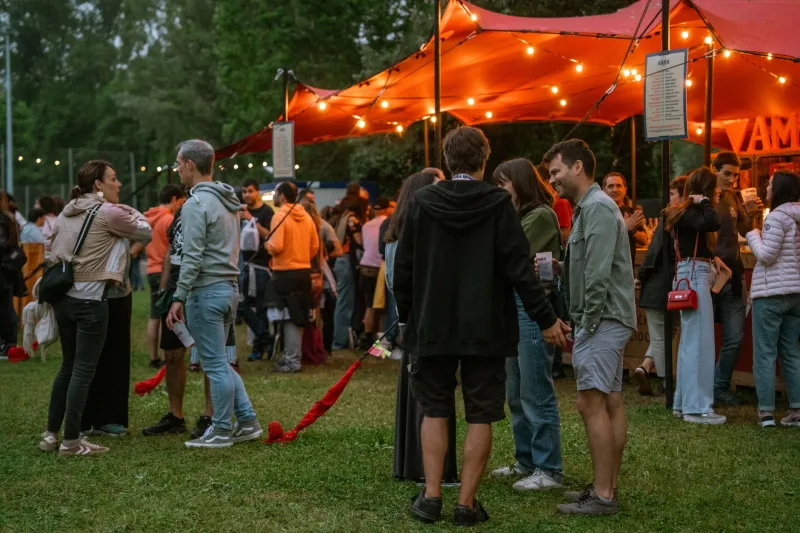
There's a saying that floats around Texas food truck circles: you can plan the menu, but you can't plan the sky. Anyone who's spent a summer afternoon at an outdoor festival in this state knows exactly what that means. One hour you're enjoying a cool breeze and a loaded taco. The next, the heat index is pushing 105°F and the asphalt is radiating like a cast iron skillet. Welcome to the Texas food truck festival experience — where the weather is just as much a part of the show as the food.
For vendors, organizers, and attendees alike, understanding how Texas weather shapes festival day isn't just useful trivia. It's survival strategy.
The Heat Is a Whole Vendor Problem
Ask any food truck operator who's worked a summer festival in Texas and they'll tell you the same thing: the heat doesn't just affect customers. It affects everything.
"When it's 98 degrees outside and I've got fryers going inside my truck, I'm looking at interior temps well over 120," says one Austin-based taco truck owner who's been rolling to festivals across the state for six years. "That changes how fast my staff can work, how often we need breaks, and honestly, what we can physically keep on the menu without it turning into a liability."
Menu adjustments based on heat are more common than most festivalgoers realize. Heavier, slow-cooked dishes that require long holding times can become a food safety concern in extreme temperatures. That's why you'll notice some trucks pivot toward fresher, faster-prep items during summer events — ceviche over carnitas, chilled agua frescas over piping hot soups, lighter grain bowls instead of dense stews.
Refrigeration also becomes a genuine concern. Trucks that carry dairy-heavy ingredients, fresh seafood, or anything that needs tight temperature control are working double shifts just to keep their cold storage reliable. Generators run harder. Fuel costs spike. It's a whole ripple effect that starts with one thermometer reading.
What Organizers Are Watching Before You Even Arrive
Behind the scenes at any major Texas food truck festival, the weather conversation starts days — sometimes weeks — before the event. Organizers aren't just checking the weekend forecast on their phones. They're tracking multiple weather services, building contingency timelines, and making vendor communication plans based on probability windows.
"We have a full storm protocol," explains one festival logistics coordinator who works events across Central Texas. "If there's more than a 40% chance of severe weather, we're already reaching out to vendors about setup adjustments. If it gets above 60%, we're making calls about tent reinforcement, electrical shutoffs, and whether we need to stage an early breakdown."
That kind of preparation is invisible to attendees but absolutely critical. Pop-up thunderstorms are the biggest wildcard in the Texas spring and fall festival seasons. They can build fast — sometimes in under 30 minutes — and when they arrive with lightning, high winds, and heavy rain, an outdoor festival turns into a logistical puzzle that needs to be solved in real time.
Shade structures, tent placement, generator positioning, and drainage planning all factor into how a festival site is designed with weather in mind. The best-organized events have thought through the "what ifs" long before gates open.
How Festivalgoers Can Work With the Weather, Not Against It
If you're planning to attend Texas Food Truck InFest — or any outdoor food truck festival in this state — let's be honest with each other: the weather is part of the deal. But that doesn't mean you have to be miserable. A little preparation goes a long way.
Timing is everything. On hot summer days, the window between 10 a.m. and noon is your golden hour. Lines are shorter, temperatures are still manageable, and vendors are fresh off setup with full menus. By 2 p.m., the heat is at its peak and the wait times stretch out. If you're attending an evening session, things often cool down nicely after sunset — some of the best vibes at a Texas food truck festival happen right around dusk.
Dress like you mean it. Light colors, breathable fabrics, and a wide-brim hat aren't just fashion choices — they're practical decisions that determine whether you're having fun or counting down until you can get back to an air-conditioned car. Sunscreen is non-negotiable. Bring more than you think you need.
Hydration is your full-time job. Between the heat, the walking, and the salty, savory food you're definitely going to eat, your body is burning through water faster than you think. Most festivals have water stations — find them early and use them often. And yes, the agua fresca from that one truck is absolutely a hydration strategy. We support it.
Have a rain plan. Spring and fall festivals are beautiful but unpredictable. Toss a compact rain poncho in your bag. Check the weather the morning of the event. Follow the festival's social media channels — that's where real-time weather updates and any schedule changes will be posted first.
The Vendors Who've Mastered the Weather Game
After enough seasons on the Texas festival circuit, the most experienced truck operators start to develop a sixth sense about weather and crowd behavior. They know that a hot afternoon drives customers toward cold drinks and lighter bites. They know a sudden cool front after a rainstorm will send a wave of people straight to the comfort food trucks. They plan their prep quantities accordingly.
"I keep two versions of my weekend menu in my head," says a Hill Country BBQ truck owner who's been working festivals for nearly a decade. "There's the hot day menu and the cooler day menu. Hot day, I push the cold sides, the iced teas, the lighter plates. Cool day, I go heavy on the smoked meats, the loaded baked potatoes, the warm stuff. I'm not going to fight what people want — I'm going to be ready for it."
That kind of adaptability is what separates the trucks that thrive on the festival circuit from the ones that struggle. Texas weather rewards flexibility and punishes rigidity.
The Sky Is Part of the Experience
Here's the thing about Texas weather that's easy to forget when you're wilting in the heat or scrambling for cover under a tent: it's also what makes these festivals genuinely memorable. A dramatic storm rolling in over an open field, the smell of rain mixing with smoked meat, the way a crowd pulls together under shared canopies and laughs about it — that's a story you tell later.
The blazing summer sun that makes your first cold horchata taste like the greatest beverage ever invented? That's Texas. The unexpected cool front that arrives on a November festival morning and makes everything feel like a celebration? Also Texas.
The weather here is loud, unpredictable, and completely uninterested in your plans. Honestly, it fits right in with the food truck culture — where the best experiences are often the ones nobody scripted.
Roll in prepared, stay flexible, and eat well. The sky's going to do what it's going to do. Might as well enjoy the ride.